Welcome To The Stone Restoration

Years of Restoring Stone and Marble the Right Way Not the Fast Way

Dull marble. Scratched granite. A travertine floor that looked fine two years ago and now just looks tired, no matter how much you scrub it.
We’re The Stone Restoration, a Melbourne based team that restores natural stone for homes and businesses across the city. Marble, granite, travertine, limestone, terrazzo, bluestone, all of it.

Why Melbourne Stone Wears Out Faster Than People Expect

Melbourne’s climate is genuinely rough on stone. Wet winters, then thirty-degree days, sometimes within the same week. 
That constant shift makes porous stone like sandstone, limestone and travertine expand and contract, and over time, that takes a toll.
One thing I get asked about constantly is that white, chalky powder on bluestone pavers or sandstone entries. That’s efflorescence. Water moves through the stone, picks up minerals, then evaporates and leaves the minerals behind on the surface.
People try scrubbing it off with more water. That makes it worse, not better. The fix is dealing with where the moisture’s getting in, then sealing the surface properly so it doesn’t keep happening.
It’s a small example, but it says a lot about this trade. The stone’s rarely broken. It’s just been managed the wrong way for a while.
0 +

Years In the trade

0 +
Jobs completed

Melbourne Wide

No suburb too far

Fully Insured

Written guarantee on every job

Not Every Stone Problem Needs the Same Fix

That’s actually where most people get burned. Someone quotes a full grind and polish when the floor just needed a reseal.

Or the other way round, a light clean gets sold when the stone’s already too far gone for that to help.
So here’s the honest breakdown of what each fix is actually for.

01

Grinding

For stone that’s beyond a surface fix. Deep scratches, old adhesive stuck to the surface, uneven tiles sitting at different heights.

02

Honing

A lighter touch than grinding. Right for stone that’s scratched or dull but structurally fine underneath. This is also how you get that soft, matte finish.

03

Polishing

Brings the shine back once the surface is even. Worth knowing upfront, polishing won’t fix deep scratches or etching on its own.

04

Sealing

Protects the stone from moisture, oil and stains by soaking into the pores rather than sitting on top like a coating.

05

Regrouting and Repairs

Cracked grout, chipped tiles, small cracks that are only going to get bigger. Left alone, these let water in underneath.
We work on homes, apartment buildings, offices, retail spaces and hospitality venues. Same process every time. Look properly, then tell you what it actually needs.

Stones We Deal

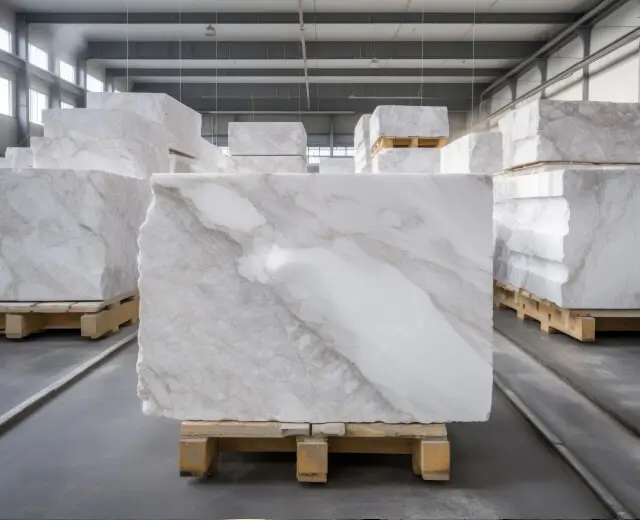
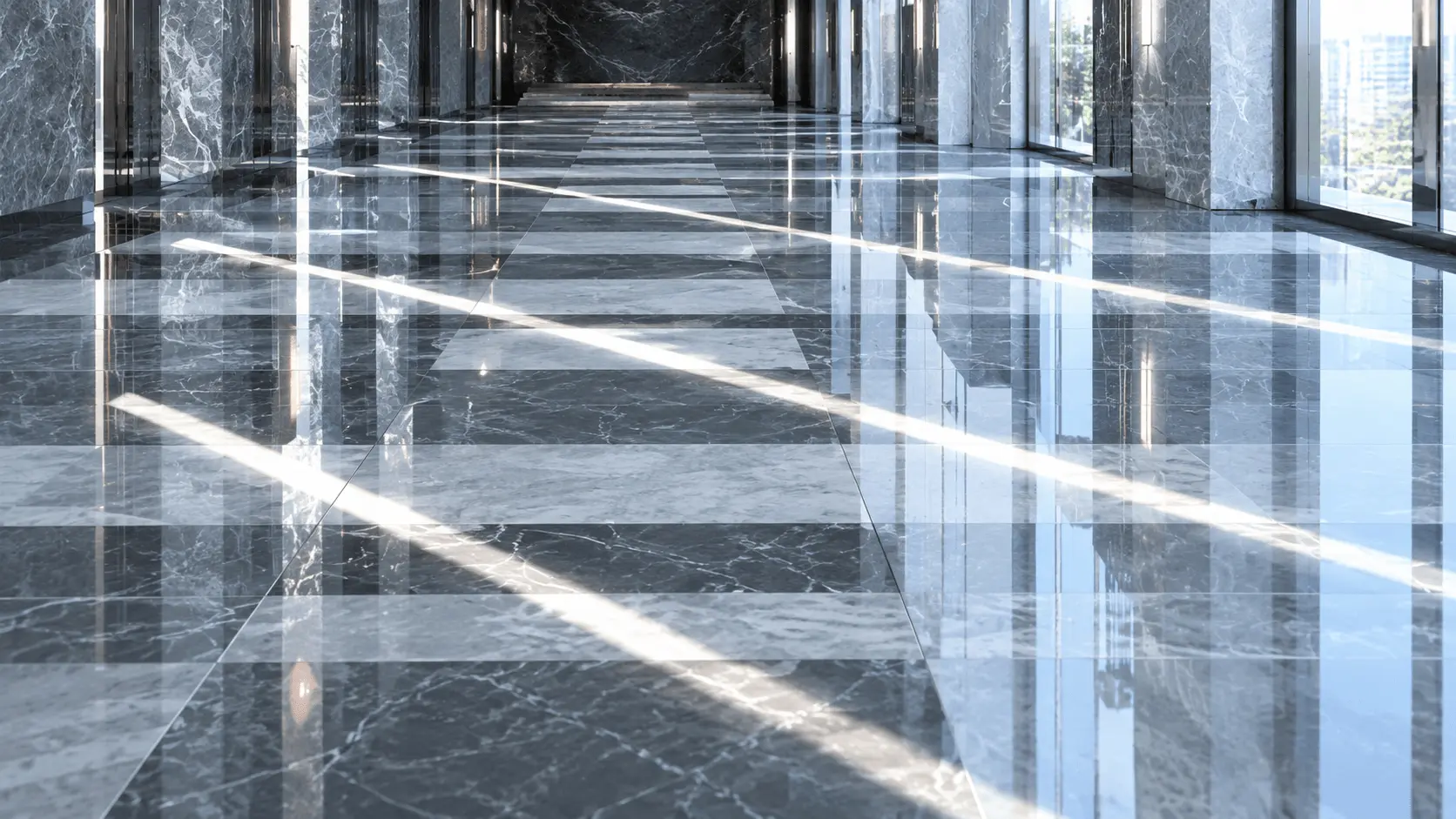
Marble

01

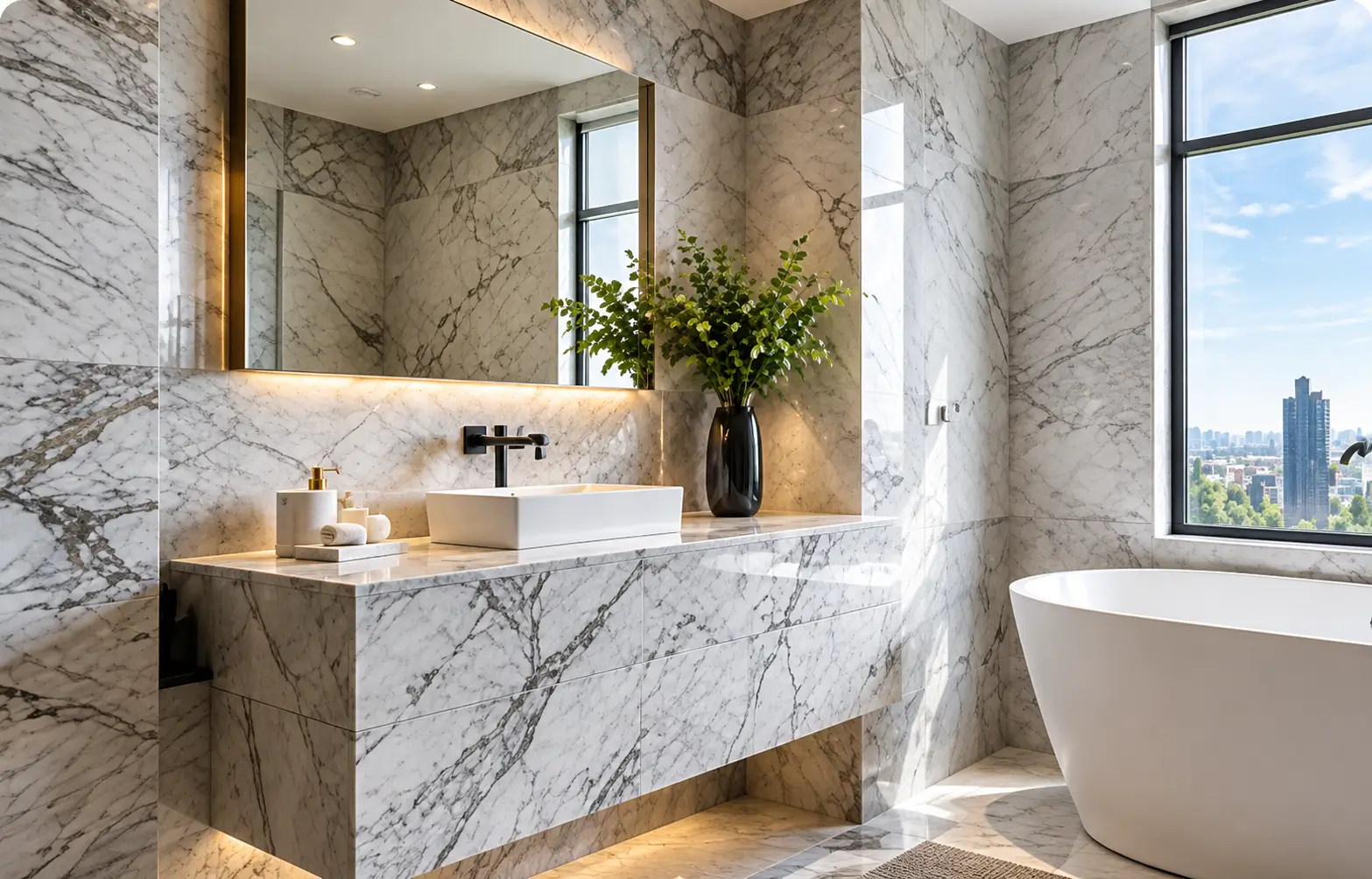
Beautiful but soft. One splash of wine left overnight can leave a mark scrubbing won’t fix. We protect it properly and fix it if it’s already happened.

Granite

02

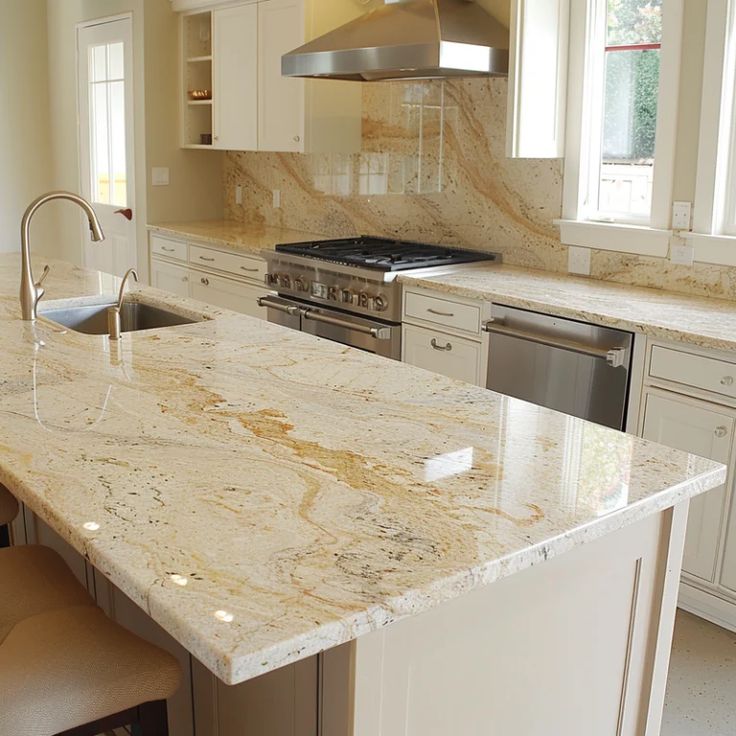
The tough one, handles hot pans and daily knocks easily. If yours has lost its shine, it’s probably just tired. A reseal usually sorts it.

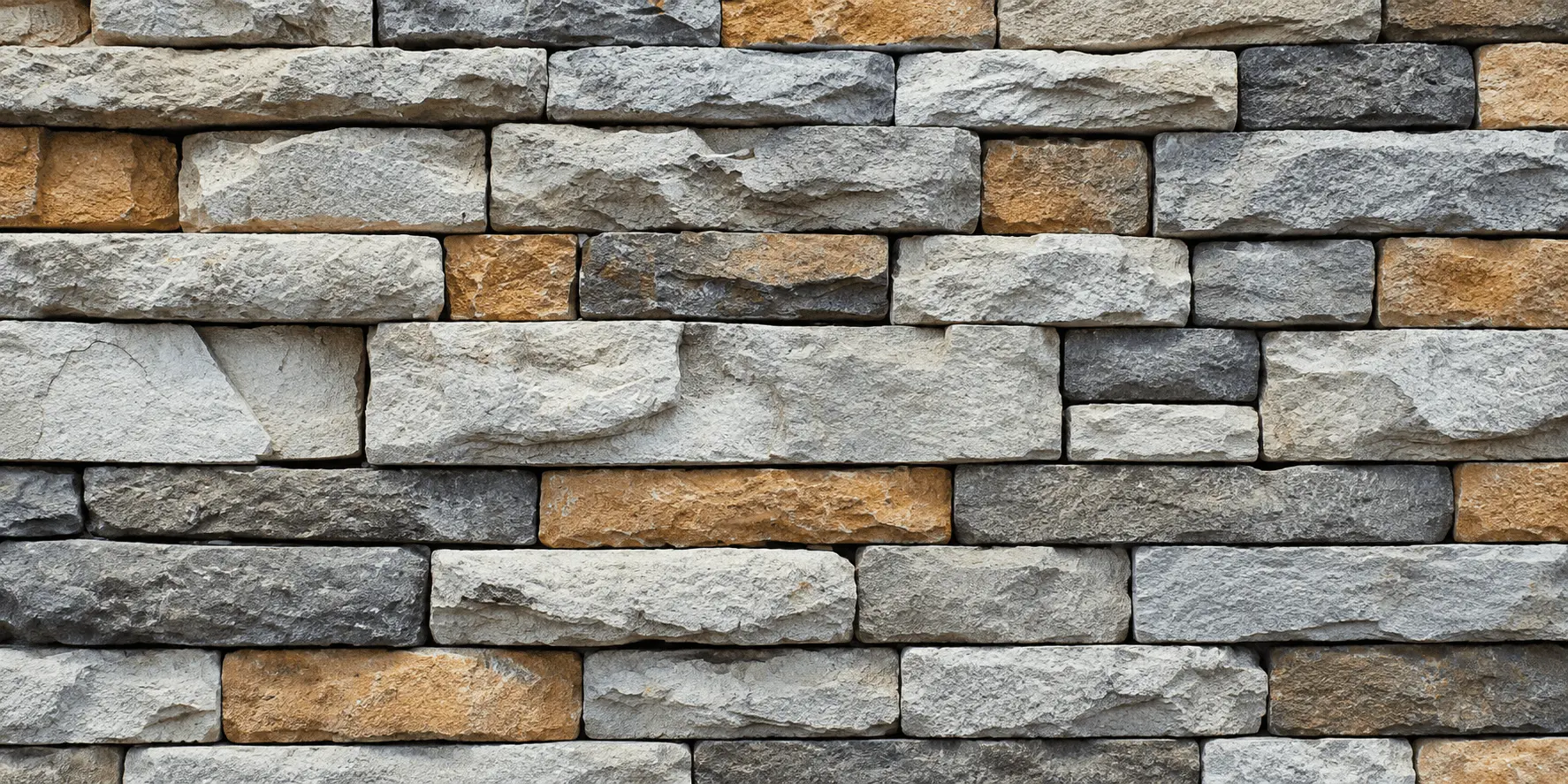
Limestone

03

Soft, warm, full of character. It soaks up spills fast if not sealed right, and that’s when staining starts. We keep the look, minus the risk.
Travertine

04
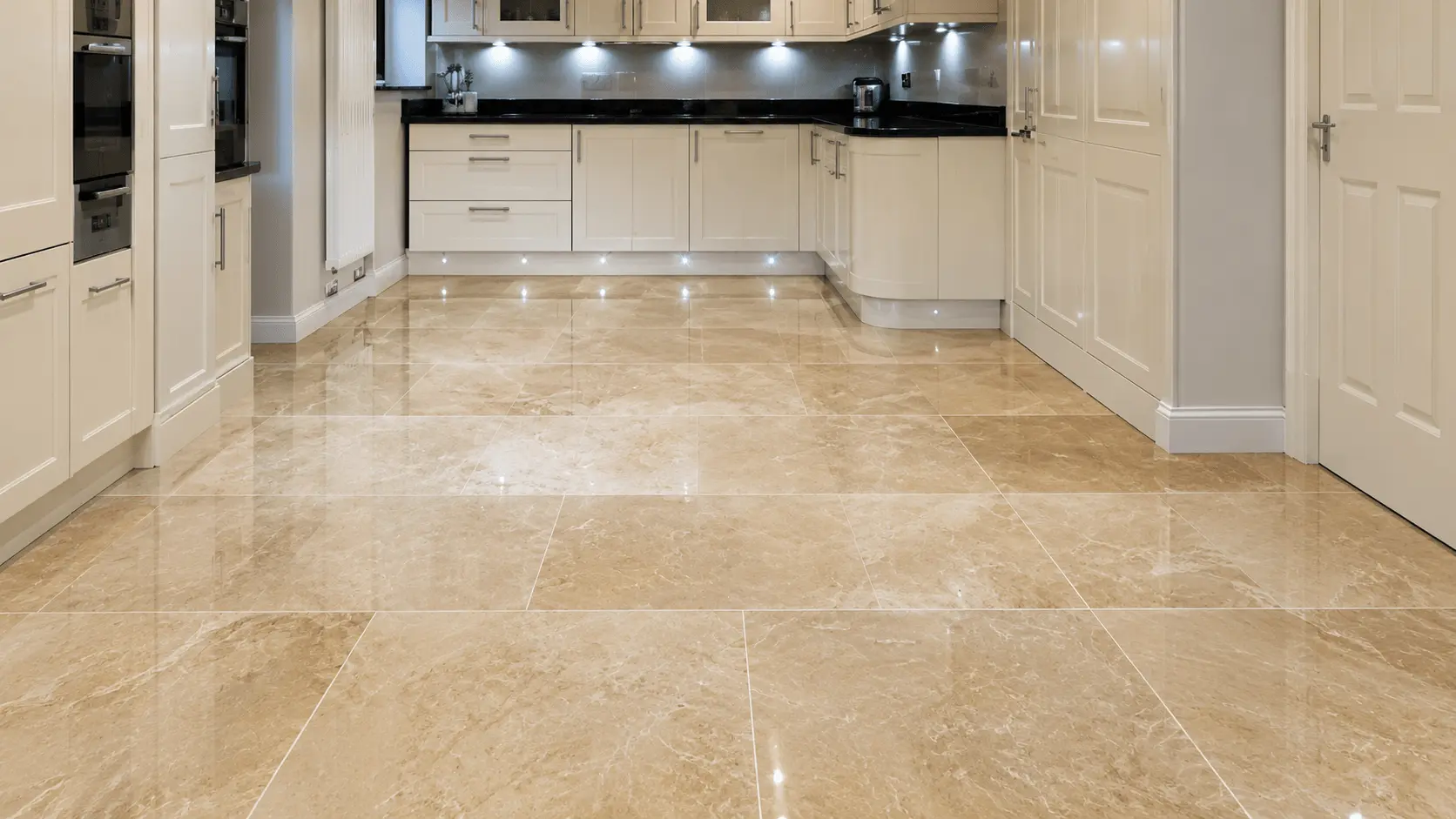
Full of tiny natural holes, that’s just how it forms. Left unfilled, they trap dirt and moisture. We fill and seal them so it stays solid.

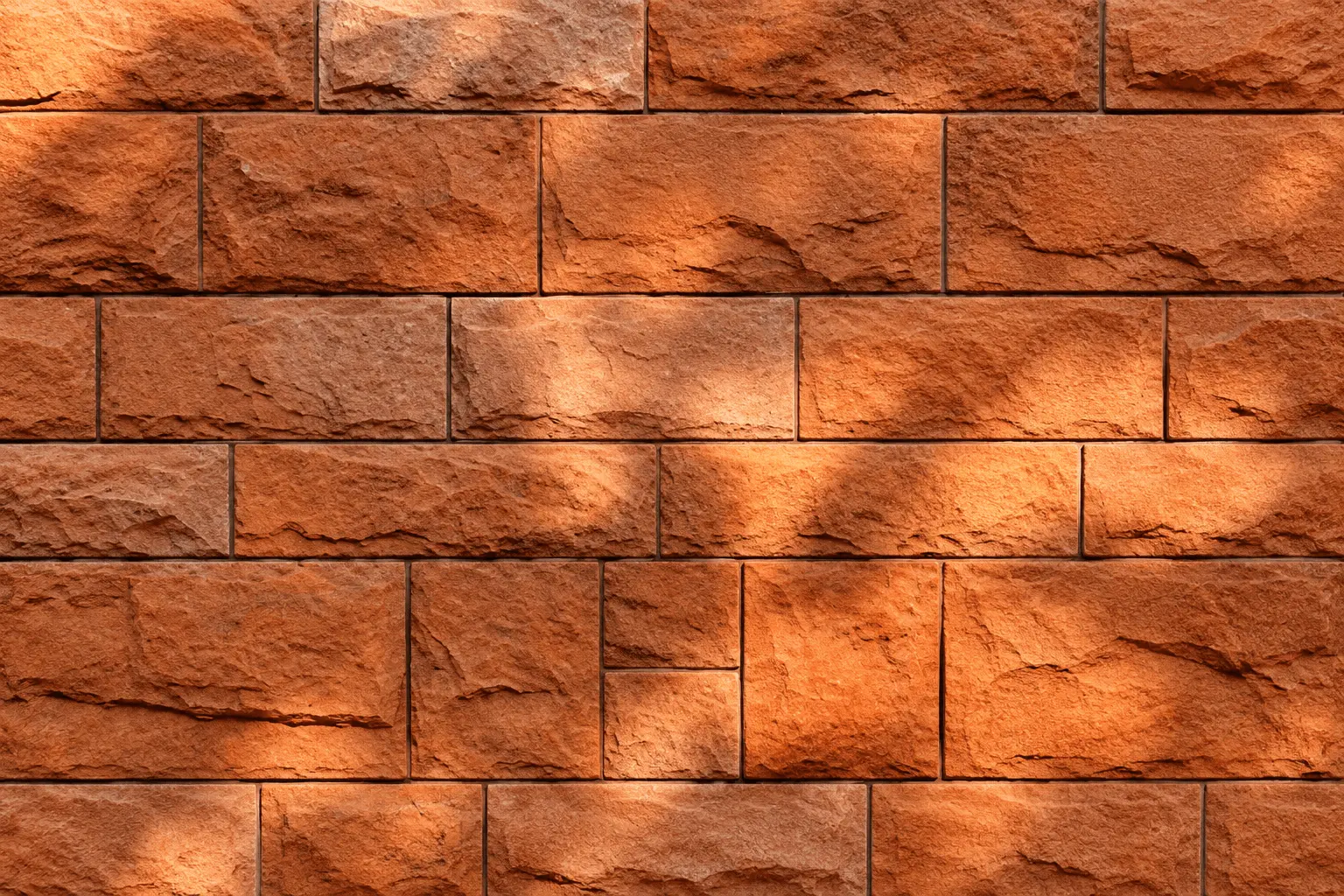
Sandstone

05

Great outdoors, tough on it though. Melbourne weather often leaves white chalky powder on sandstone. We know why that happens and how to stop it.

Concrete

06

Polished floors look sharp until cracks or dull patches creep in. We grind, reseal, and bring that clean finish back without ripping anything up.

Terrazzo

07

An old favourite that’s back in style, and it lasts if cared for right. Most terrazzo problems come from the wrong cleaning product, not the stone.

Basalt

08

Dark, dense, popular for modern outdoor spaces. The usual issue is patchy sealing from installation. We even it out, and it looks new again.

Our Recent Work

trusted by Homeowners & Businesses

Not Sure What Your Stone Needs?

You don’t need to know the difference between honing and sealing before you reach out. That part’s genuinely our job, not yours.

If your stone’s looking dull, stained, scratched, or you’re just not sure what’s actually wrong with it, send through a few photos or give us a call.

Straightforward advice, no pressure either way.

have questions get in touch

marble sealers for different types of protection

Questions People Ask Us Often

Does resealing stone actually stop stains, or just slow them down?
It genuinely stops most stains if it’s done right. A proper penetrating sealer blocks liquids from soaking into the pores in the first place. Spills sit on top long enough to wipe up instead of sinking straight in.
Most of the time, restoration works out cheaper than replacement, even on badly worn stone. Full replacement only makes sense if there’s structural damage underneath, cracked slabs or major subfloor issues, not just surface wear.
Not on its own. Polishing brings back shine on stone that’s already smooth underneath, but it won’t remove deep scratches or etching. Those need honing or grinding first, then polishing brings the shine back on top of that.
Done properly, no. Grinding and honing can bring back the stone’s original colour if it’s faded or stained. Sealers shouldn’t alter colour either, though some enhance natural tone slightly. We’ll always tell you upfront if a product does that.
Yes, quite a bit actually. Outdoor stone deals with UV, rain, and temperature swings, so it needs tougher sealers and different care than an indoor benchtop. We treat each one based on where it actually sits.