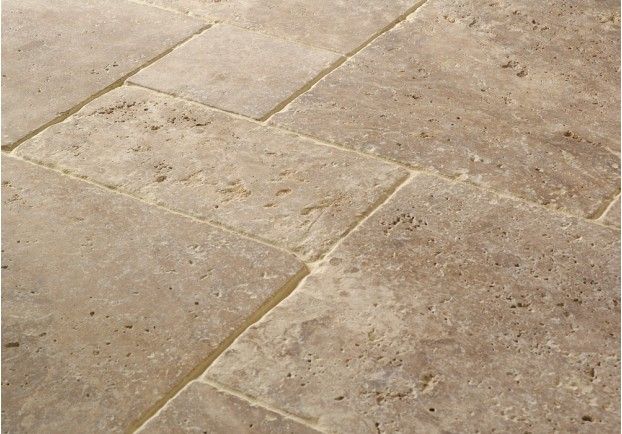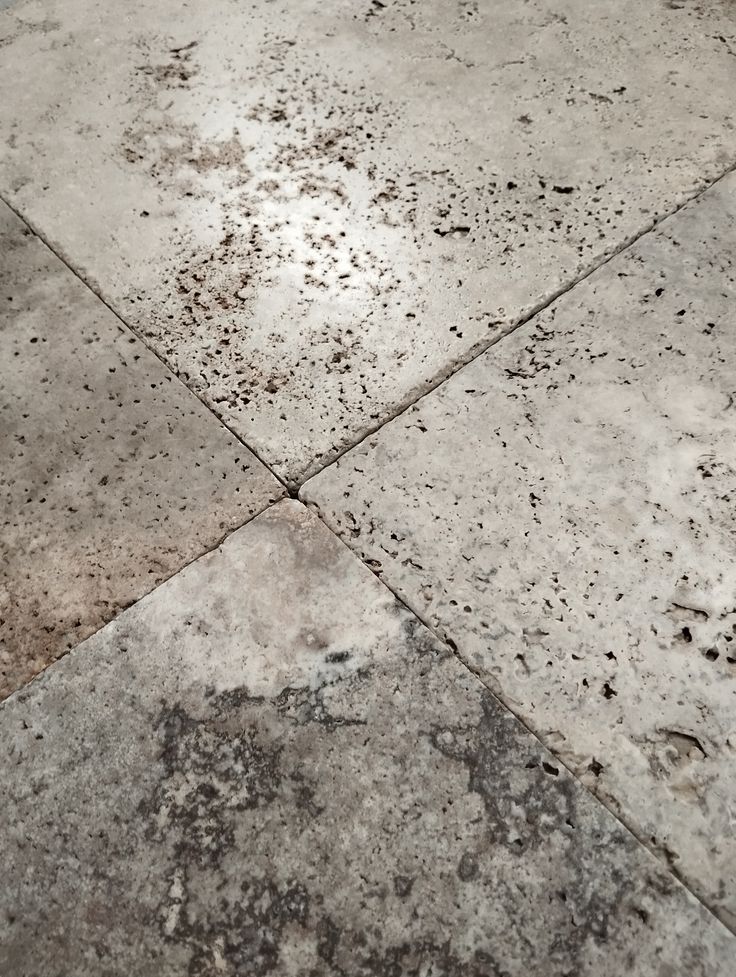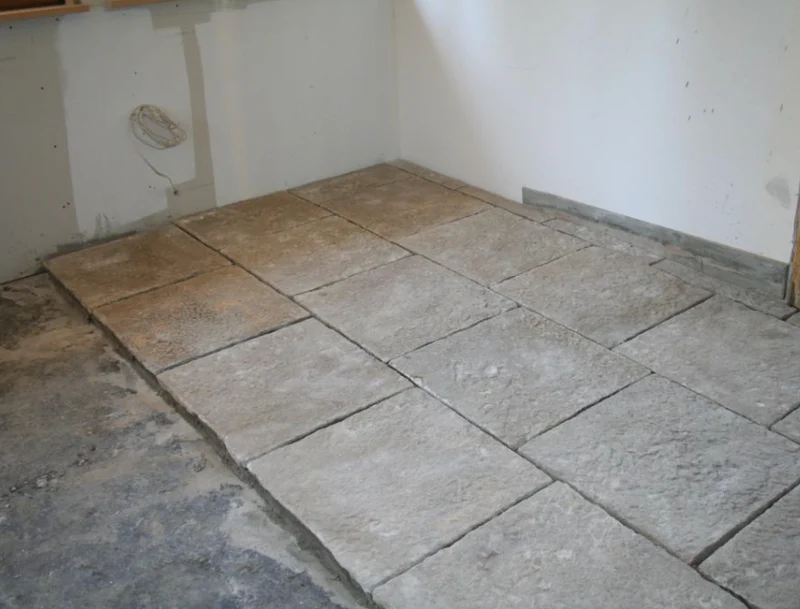
Stone installation is a delicate process that requires precision, experience, and an understanding of the material being used. Whether for flooring, countertops, or walls, improper handling can lead to costly mistakes, structural weaknesses, and aesthetic flaws. Knowing the most common pitfalls and how to prevent them ensures a durable and visually appealing outcome.
A successful installation involves several crucial steps, from selecting the right stone to ensuring proper maintenance. Many people underestimate the importance of surface preparation, adhesive selection, and expansion joints.
These oversights can lead to structural failure, discoloration, or even complete detachment over time. Whether you’re a DIY enthusiast or a professional contractor, understanding the potential challenges and taking the necessary precautions will help you achieve the best results.
Key Takeaways:
- Select a stone suitable for its intended use, considering factors like durability, maintenance, and location.
- Ensure a clean, level, and stable foundation to prevent shifting, cracking, or adhesion failure.
- Match adhesives and grout to the stone type, apply them evenly and allow proper curing time.
- Prevent cracks and warping by allowing space for natural expansion and contraction.
- Regular cleaning, sealing, and prompt stain removal will prolong the stone’s lifespan and appearance.
1. Choosing the Wrong Type of Stone
Selecting the right stone is essential for durability, functionality, and long-term satisfaction. Different stones have unique characteristics that affect their performance in various settings. Choosing the wrong type can lead to issues like staining, scratching, or high maintenance costs.
Common Stone Types and Their Properties:
- Marble – Luxurious appearance but highly susceptible to stains and scratches. Best for low-traffic areas.
- Granite – Extremely durable and scratch-resistant but requires periodic sealing to maintain its resistance to moisture.
- Limestone – Elegant and natural-looking but highly porous, requiring frequent maintenance to prevent staining.
- Quartzite – Tough and heat-resistant but still requires sealing to protect against stains and etching.
How to Avoid This Mistake:
- Assess Usage and Location – Determine where the stone will be placed. Outdoor areas require weather-resistant options, while high-traffic indoor spaces need scratch-resistant materials.
- Understand Maintenance Needs – Some stones demand frequent upkeep, like sealing or cleaning with specific products. Ensure you’re prepared for the required maintenance.
- Seek Expert Advice – A professional can help you choose a stone that balances aesthetics, durability, and maintenance based on your specific needs.
2. Poor Surface Preparation
A stable foundation is the key to a long-lasting and durable stone installation. Without proper preparation, stones can shift, crack, or become loose over time, leading to costly repairs and potential safety hazards. Even minor imperfections in the substrate can compromise the integrity of the entire installation.
Common Issues:
- Failing to clean and level the surface before installation.
- Installing stones over a weak, damp, or unstable substrate.
- Skipping necessary underlayment or backer boards, which provide additional support and prevent movement.
When dirt, debris, or moisture is present, adhesion between the stone and the substrate is weakened, making the installation more susceptible to damage. Uneven surfaces create pressure points that lead to cracks, while damp conditions can cause long-term deterioration, mold growth, or adhesive failure.
How to Avoid This Mistake:
- Thoroughly clean the surface to remove dust, dirt, and any contaminants that could affect adhesion.
- Check for moisture issues and allow the substrate to dry completely before proceeding.
- Ensure the surface is level, using self-leveling compounds or proper grading techniques if needed.
- Use appropriate underlayment or backer boards, particularly for areas exposed to moisture or heavy loads.
- Apply a suitable primer or bonding agent when required to enhance adhesion and stability.
3. Incorrect Adhesive or Mortar Use
Choosing the wrong adhesive or mortar can result in weak bonding, instability, and premature failure of your stonework. Different types of stone require specific adhesives to ensure proper adhesion, durability, and long-term performance. Using an unsuitable adhesive can lead to cracks, shifting, or even detachment over time.
Common Adhesive Issues:
- Incompatible Adhesive: Using an adhesive that isn’t designed for the specific stone type can compromise the bond, leading to weak structural integrity. Natural stones, for example, may require specialized adhesives that provide flexibility and strength.
- Uneven Application: Applying adhesive inconsistently creates weak spots, reducing the overall stability of the stonework. These weak areas can cause shifting or cracking under pressure or environmental stress.
- Insufficient Drying Time: Rushing the installation process without allowing the adhesive to set properly can lead to long-term failures. Moisture retention, temperature fluctuations, and weight pressure can weaken the bond if the adhesive hasn’t fully cured.
How to Avoid This Mistake:
- Select an adhesive specifically recommended for the type of stone you are working with. Check manufacturer specifications to ensure compatibility.
- Follow precise mixing and application guidelines, ensuring even coverage for a secure bond.
- Allow adequate drying and curing time before proceeding with the next installation steps. This patience will prevent issues like movement, cracking, or detachment, ensuring a durable and lasting stonework project.
4. Inadequate Grouting and Sealing
Grouting and sealing are critical steps in stone installation, providing both structural integrity and aesthetic appeal. Grout fills the gaps between stones, securing them in place, while sealing helps protect the surface from moisture, stains, and wear. Neglecting these steps or doing them incorrectly can lead to loose stones, discoloration, and long-term damage.
Common Issues:
- Incorrect Grout Selection: Using the wrong grout type or color can affect both the durability and visual appeal of your stonework. Some stones require sanded grout for stability, while others need non-sanded grout to prevent scratching.
- Skipping the Sealing Process: Many natural stones are porous and require sealing to prevent moisture absorption, staining, and deterioration over time. Failing to seal properly can lead to damage from water, dirt, and other contaminants.
- Insufficient Curing Time: Sealing too soon before the grout has fully cured can trap moisture, weakening the bond and leading to mold or efflorescence (white residue).
How to Avoid This Mistake:
- Select the right grout type for your stone and installation area, considering factors like moisture exposure and stone porosity.
- Apply a high-quality sealant to both the grout and stone, following manufacturer recommendations for frequency and method.
- Allow proper drying and curing times between grouting and sealing to ensure a durable, long-lasting finish.
5. Improper Cutting and Fitting
Cutting stone incorrectly can result in unnecessary wastage, uneven edges, and misaligned pieces, which can compromise both the aesthetic and structural integrity of your project. Precise cutting and fitting are crucial for achieving a seamless and professional-looking finish.
Common Mistakes:
- Using the wrong tools, such as standard saws instead of specialized stone-cutting equipment.
- Cutting without accurate measurements or a clear plan leads to errors that require costly corrections.
- Installing pieces that are not properly cut, causes visible gaps, uneven joints, or poor alignment.
How to Avoid This Mistake:
- Use the Right Tools: A wet saw or professional stone-cutting tools are essential for clean and precise cuts. A wet saw reduces dust and minimizes chipping, ensuring smooth edges.
- Measure Twice, Cut Once: Always take careful measurements before making any cuts. Mark the stone accurately and confirm the dimensions to avoid unnecessary material loss.
- Plan and Dry-Fit Pieces: Before installing, arrange and dry-fit the pieces to check for alignment and fit. This step allows you to make adjustments before permanently setting the stone.
- Cut in a Controlled Environment: Work in a stable, well-lit area with a sturdy surface to maintain precision. Rushing or cutting in an unstable workspace increases the risk of errors.
6. Ignoring Expansion Joints
Expansion joints are a critical yet often overlooked component in stone and concrete installations. These joints allow for natural movement caused by temperature fluctuations, settling, and other environmental factors.
Without properly placed expansion joints, stone or concrete surfaces can crack, warp, or shift over time, leading to expensive repairs and compromised structural integrity.
When materials expand and contract due to heat and cold, they require space to move. Without this necessary flexibility, the pressure builds up, resulting in fractures that can spread across the surface.
This issue is particularly common in driveways, patios, walkways, and tiled surfaces exposed to the elements. If you skip expansion joints in these areas, you may notice unsightly cracks, misalignment, or even complete failure of the installation within a short time.
How to Avoid This Mistake
- Plan for Expansion Joints in Key Areas: Before installation, identify where expansion joints should be placed. These joints are typically needed at regular intervals, around edges, and where different materials meet. If you’re working with large stone slabs or concrete, expansion joints should be factored into the design from the beginning.
- Use Flexible Caulking for Joint Areas: Flexible sealants or caulking are essential in joint areas to allow for movement. Unlike rigid materials, flexible caulking absorbs movement without cracking, ensuring the longevity of your installation. Opt for high-quality, weather-resistant caulk designed for outdoor use.
- Consult an Expert: If you’re unsure where to place expansion joints, consult a professional. A contractor or stone expert can guide you on the best spacing, materials, and techniques for your specific project. Professional advice can prevent costly mistakes and ensure a durable, long-lasting installation.
7. Skipping Professional Assistance
DIY projects can be fulfilling, but when it comes to stone installations, the expertise required often exceeds basic skills. Attempting a complex project without professional help can lead to costly mistakes, structural issues, and an unsatisfactory final result.
Why Professionals Matter
- Proper Installation Techniques – Experts ensure stones are securely placed, preventing uneven surfaces, shifting, or future damage.
- Access to Specialized Tools and Materials – Professional installers use high-quality equipment and materials that may not be available to DIYers. This ensures durability and a polished finish.
- Work Warranties – Many professionals provide warranties, offering peace of mind that the installation will last. If any issues arise, they are covered.
How to Avoid This Mistake
- Hire Reputable Professionals – If the project involves structural components, heavy stones, or intricate designs, working with an expert is essential. Research local stone installation services, read reviews, and request quotes to find the best fit.
- Seek Expert Advice – Even for smaller projects, consulting a professional can prevent errors. Many offer consultations that provide guidance on materials, techniques, and best practices.
8. Neglecting Regular Maintenance
Even high-quality, properly installed stone surfaces require routine maintenance to maintain their beauty and durability. Ignoring upkeep can lead to staining, surface degradation, and costly repairs over time.
Common Maintenance Issues:
- Allowing spills to sit – Porous stone absorbs liquids quickly, leading to deep stains that are difficult to remove.
- Using harsh chemicals – Cleaners containing acids, bleach, or ammonia can damage the stone’s finish and weaken its structure.
- Failing to reseal surfaces – Over time, stone sealants wear down, making surfaces more vulnerable to moisture, dirt, and staining.
How to Avoid This Mistake:
- Use pH-neutral cleaners – These are gentle on stone and help preserve its natural look without causing damage.
- Reseal surfaces as recommended – Follow manufacturer guidelines for resealing to maintain protection and longevity.
- Address stains and damage promptly – Quick action can prevent permanent discoloration or deterioration.
Final Thought
Stone installations enhance aesthetics and functionality, but mistakes can compromise both. Understanding these common pitfalls and taking preventive measures ensures a high-quality, long-lasting result.
FAQs
1. How long does natural stone installation take?
It depends on the project size, stone type, and preparation needed. Small projects may take a few hours, while larger installations can take days.
2. What is the best way to clean a stone benchtop installation?
Use a pH-neutral cleaner, avoid abrasive scrubbing, and regularly reseal the surface to maintain its finish.
3. Can I install stone tiles myself?
Yes, but proper knowledge of adhesive selection, cutting, and sealing is essential. For best results, consider hiring a professional.
4. How often should I reseal my stone surfaces?
It depends on the stone type and usage. Most surfaces require resealing every 1-3 years.
5. What should I do if my stone installation starts cracking?
Assess the cause—movement, improper adhesive, or weight stress. Consult a professional for repairs to prevent further damage.
By understanding and avoiding these mistakes, you can ensure a durable and visually appealing stone installation that stands the test of time.